Your wedding day is one of the most meaningful celebrations of your life, filled with countless moments you’ll cherish forever. From the quiet moments of getting ready to the grand celebration on the dance floor, every detail tells the story of your love. To capture these moments perfectly, organization and communication are key—the foundation of a seamless experience with your photographer. A wedding shot list is one of the most practical tools couples can use to ensure no precious memory gets overlooked.
Collaboration is at the core of how I approach your special day as a photographer. By taking the time to develop a thoughtful wedding shot list, you and your photographer can work together to document every important memory, making your photos authentic and unforgettable. Here’s how to create a comprehensive shot list while keeping the process fun and stress-free.
Why a Wedding Shot List Matters
A well-crafted shot list helps couples and photographers stay aligned about the must-capture moments and ensures key memories don’t get missed. Weddings are dynamic, fast-paced events, and even the most organized couples can feel swept up in the excitement. Having a plan in place allows everyone to stay on track and focus on the joy of the day.
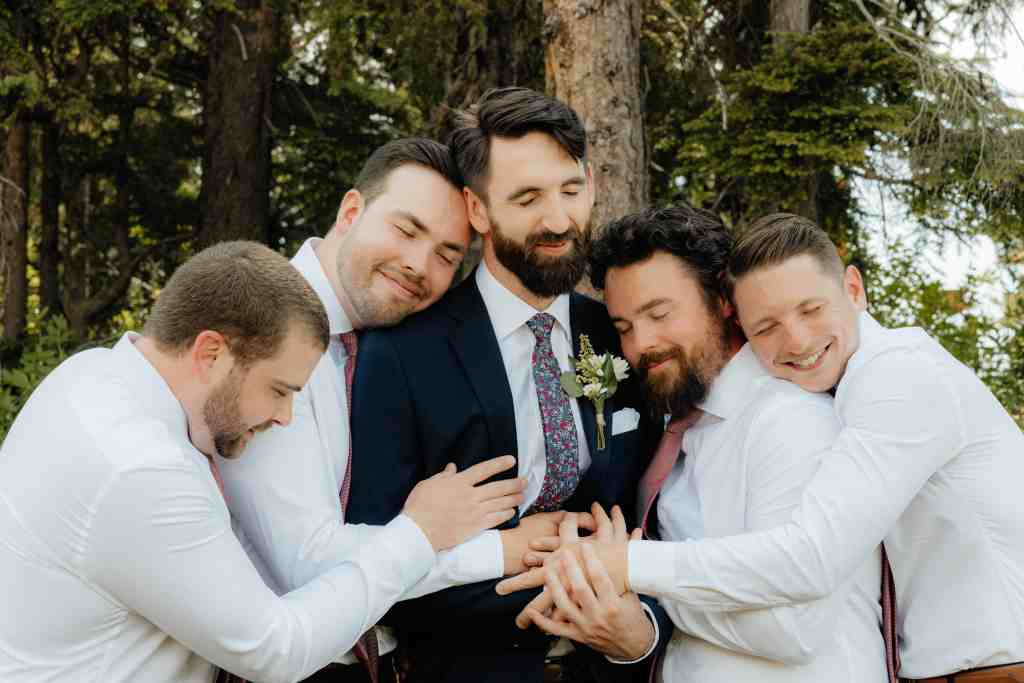
While your photographer will know how to capture candid, emotional content throughout the celebration, giving them insight into your priorities helps them tailor their approach to your unique vision. Whether it’s that intimate glance between the couple during the vows or fun, candid shots of the wedding party, a shot list paves the way for personalized storytelling.
1. Start with Your Priorities
Begin by envisioning the photos you’ll want to flip through again and again after the big day. Do you want a lot of detail shots, like your wedding stationery, dress, or table décor? Or are you focused on vibrant moments with friends and family? Defining your priorities will help you communicate your vision clearly to your photographer.
Some couples may lean toward traditional posed portraits, while others may value candid, documentary-style shots. Spend time thinking about what resonates most with you as a couple—you can even look through wedding inspiration boards or galleries to find a style you love.
Examples of Prioritized Shot Categories:
- Getting ready moments (e.g., mom zipping the bride’s dress, groom straightening his tie)
- First looks (with your future spouse or a parent)
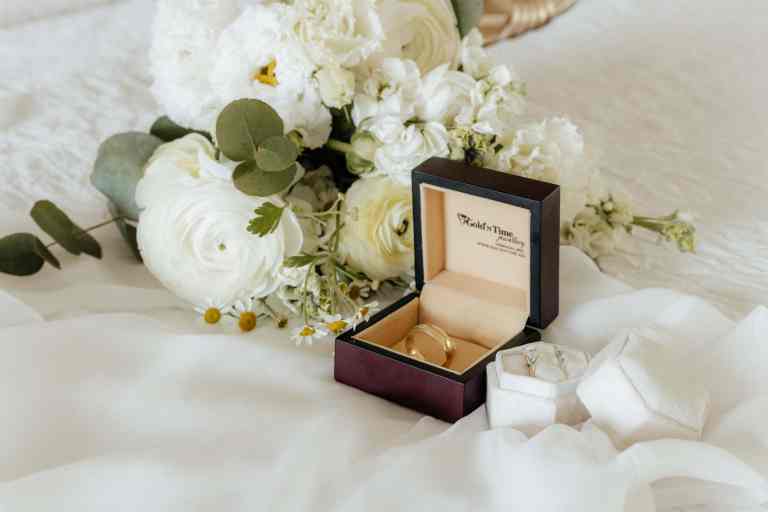
- Ceremony details (floral arrangements, seating, programs)
- Special traditions (religious or cultural rituals)
- Family portraits
- Grand exit moments (sparklers, bubbles, or confetti)
By focusing on your priorities, your photographer can be better prepared to capture what matters most to you.
2. Collaborate on the List with Your Photographer
Once you’ve identified your must-have shots, share your initial ideas with your photographer. Collaboration is crucial—for example, your photographer will often suggest creative angles or moments you may not have thought about. Open communication ensures that your shot list remains realistic and achievable within your timeline.
It’s important to balance your desire for a structured list with the flexibility to allow spontaneous moments to shine. Experienced photographers will know how to adapt to the flow of the day, capturing beautiful, unscripted memories alongside your must-have shots.
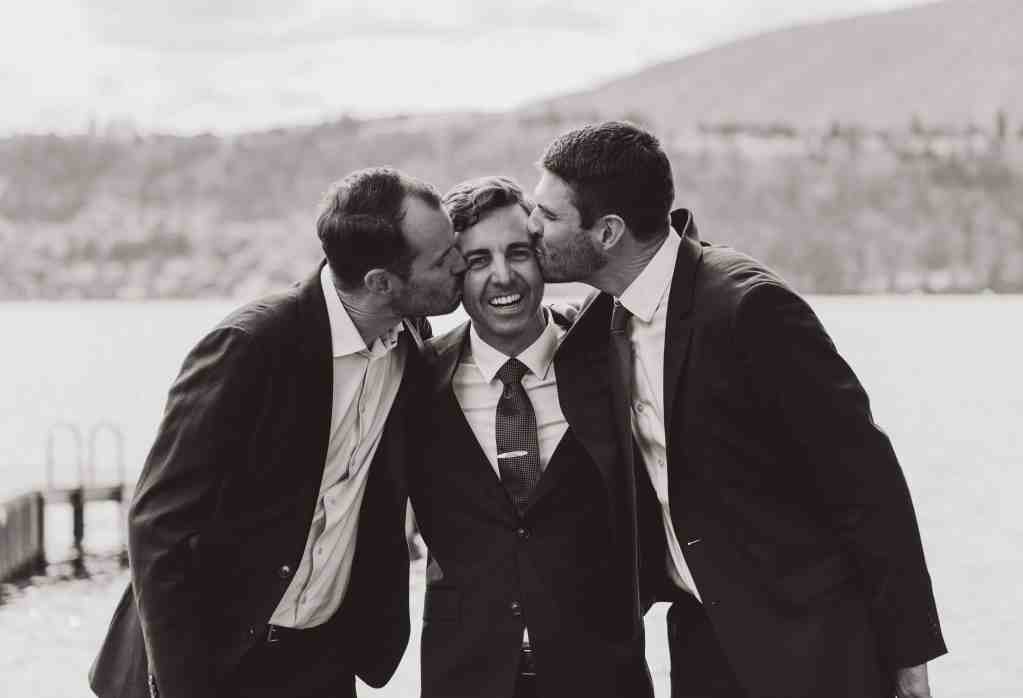
3. Include All Key Players
When putting together your list, be sure to identify the key individuals in your wedding. Couples often forget to assign who should be included in photos, risking missed opportunities for meaningful portraits.
Questions to Consider:
- Do you want a photo with your best friend from childhood?
- Are there family members who don’t get to attend many events but are attending your wedding?
- What combinations of family and wedding party members are must-haves?
Providing a concise list of names and relationships to your photographer helps ensure smooth group portrait sessions.
Example of Family Photo Combinations for Inspiration:
- Couple + Bride’s Immediate Family
- Couple + Groom’s Immediate Family
- Bride + Siblings
- Groom + Grandparent(s)
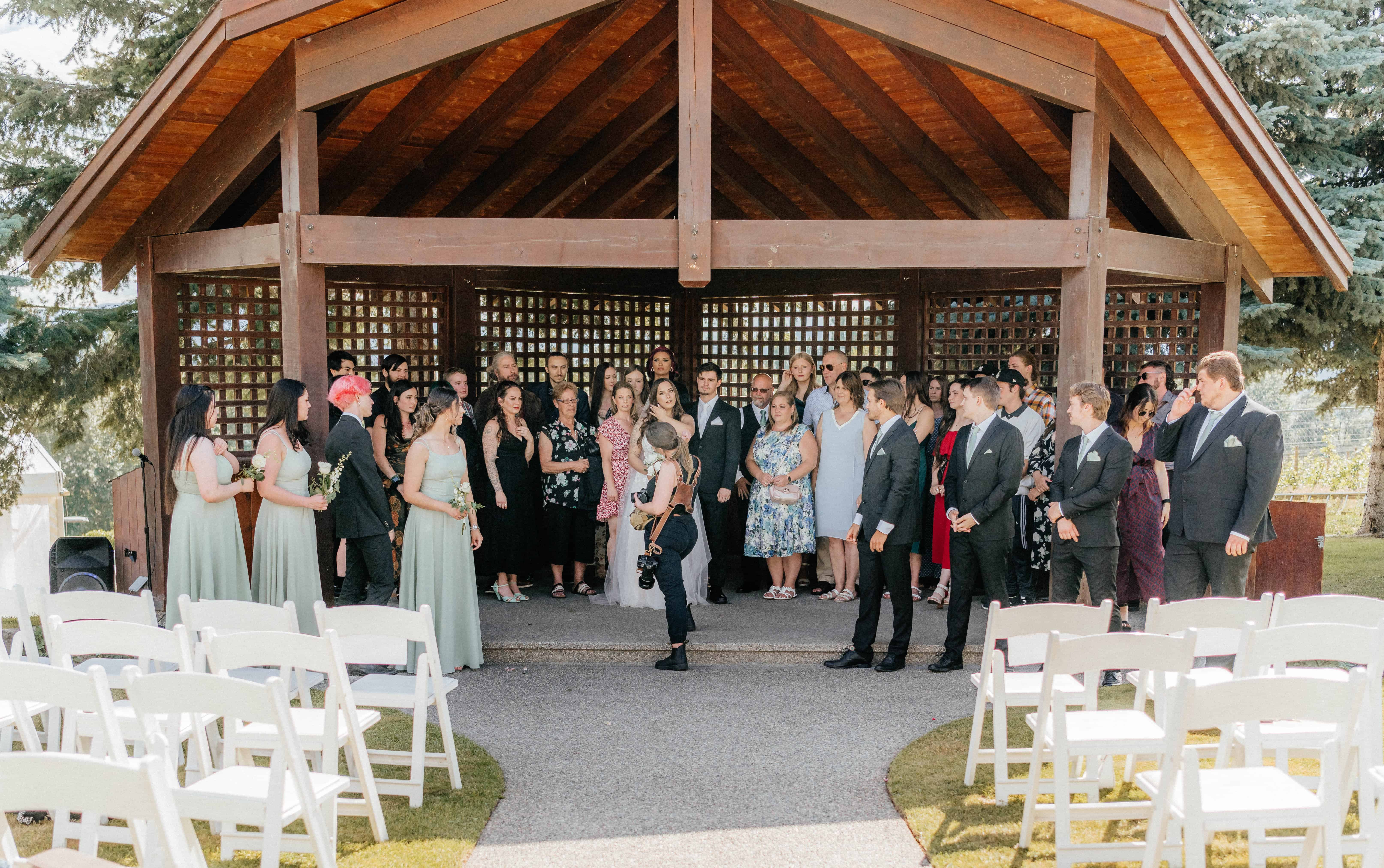
- Couple + Entire Wedding Party
Labeling these key individuals saves time and makes group photos more efficient so the celebration can continue uninterrupted.
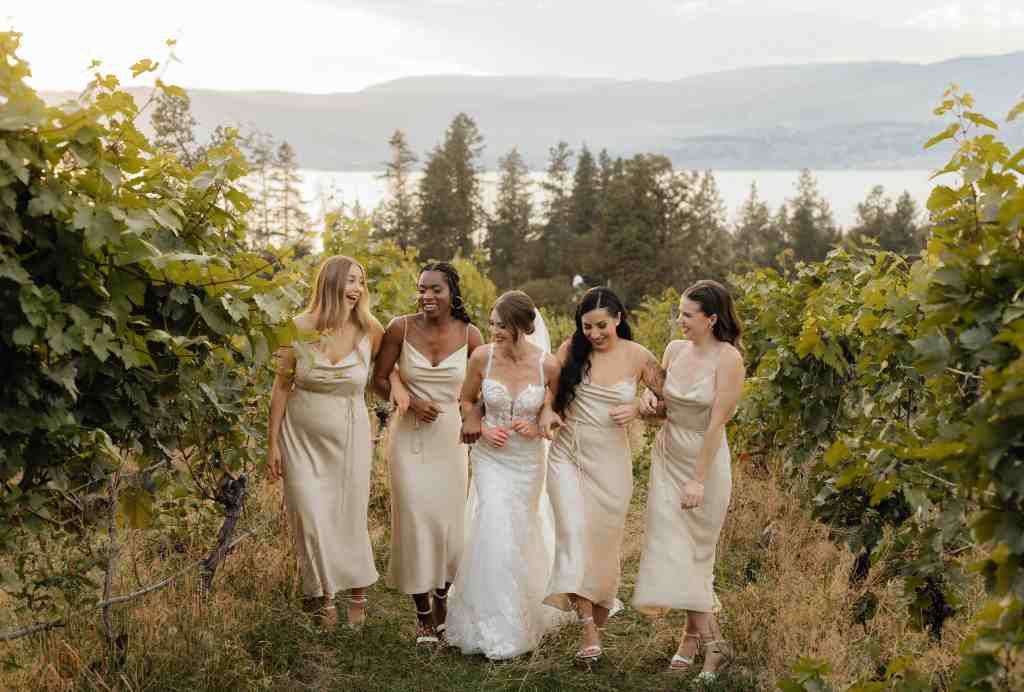
4. Consider the Timeliness of Your Day
Timing is everything when it comes to wedding photography. Make sure your photo list fits seamlessly into your wedding timeline, leaving room for the natural flow of events without too much rigidity.
Collaborate with your planner and/or photographer to build an appropriate timeline that factors in defined photo breaks, moments for creative couple portraits, and candid opportunities during the ceremony and reception.
Sample Timeline for Photo Coverage:
12:00–2:00 PM – Getting ready photos
2:30 PM – First look
3:00 PM – Ceremony
4:00 PM – Cocktail hour (family portraits + candid shots)
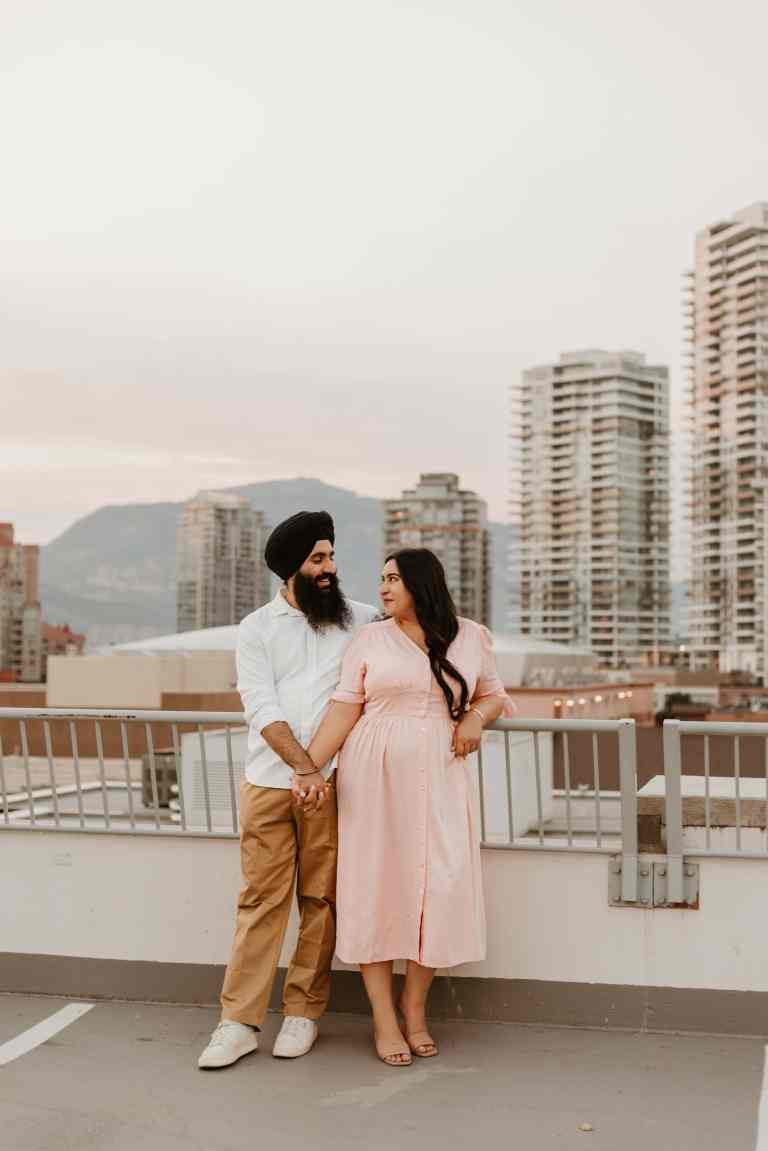
5:30 PM – Couple portraits during golden hour
6:30 PM – Reception photos (décor, toasts, first dance, etc.)
Sharing this outline ahead of time lets your photographer plan for optimal lighting and ensures your most important moments are captured without unnecessary delays. I love creating fluid workflows that enhance, rather than interrupt, the joy of the day.
5. Leave Room for Candid Magic
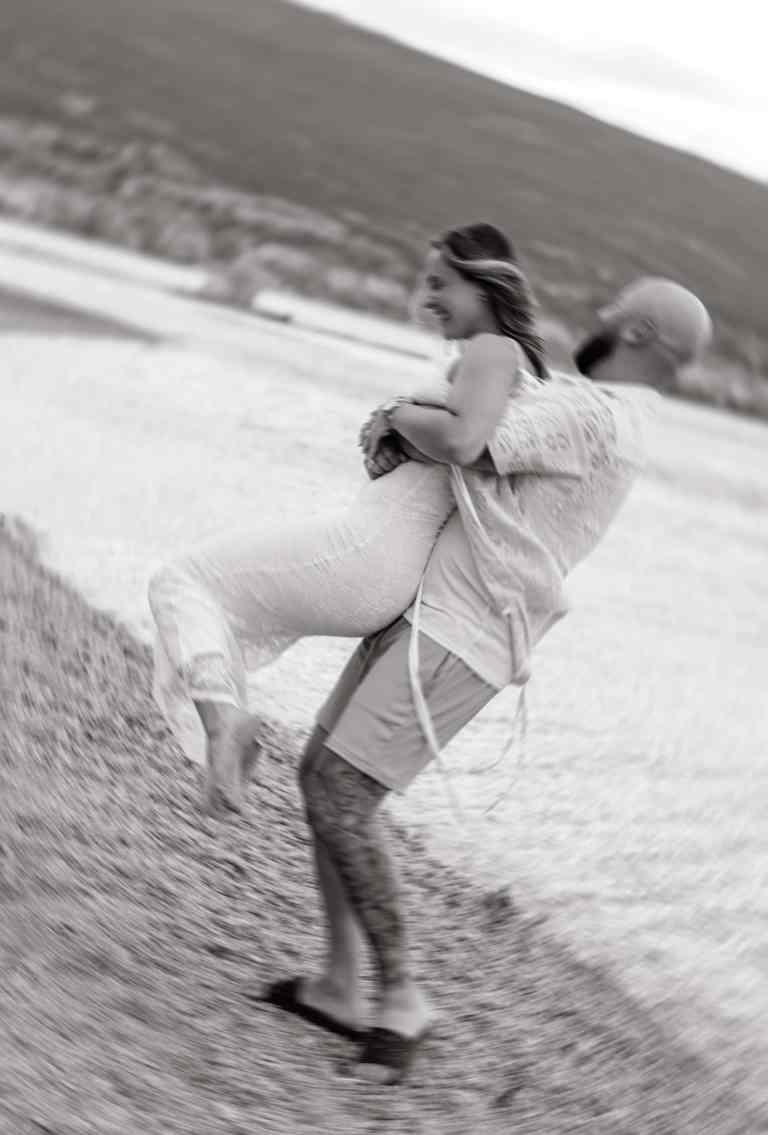
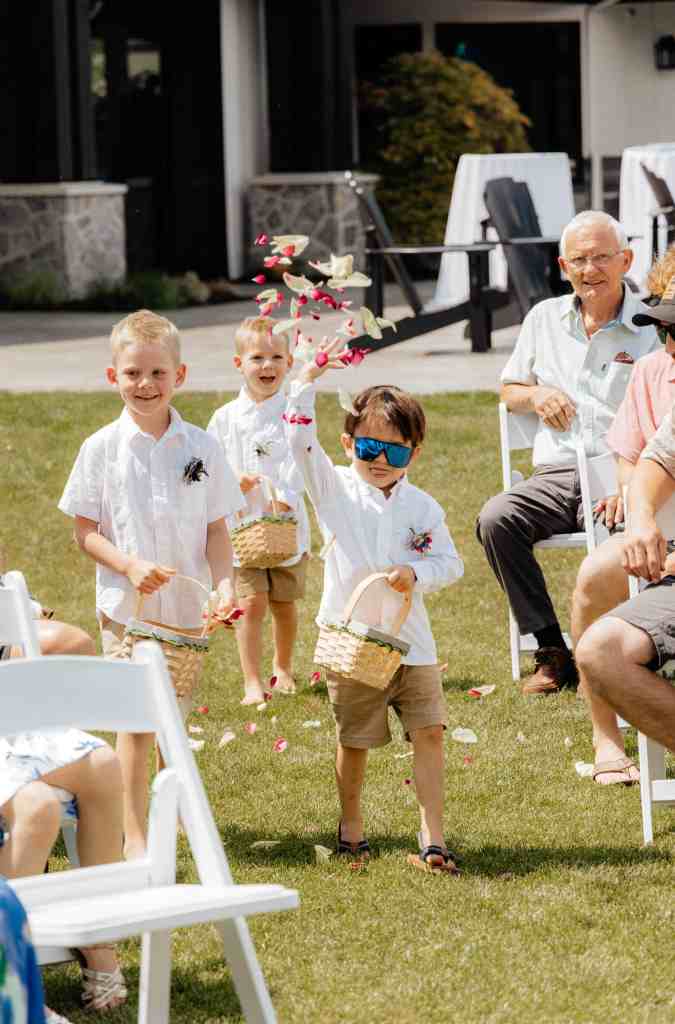
While your photo list is a helpful tool, be mindful to leave space for your photographer to work their magic. Some of the most memorable images on your wedding day may happen in unscripted moments—a spontaneous laugh, a tearful hug, or children dancing freely.
A good wedding photographer’s expertise lies in blending into the background to catch these priceless moments while still ensuring the essentials are captured. Trusting their experience allows for a relaxed and authentic mix of posed and candid imagery.
7. Review and Finalize the List Together
Before the wedding, meet with your photographer to review your shot list and finalize the details. This check-in ensures that expectations are clear on both sides. It’s also an excellent opportunity for your photographer to share any feedback or additional suggestions.
Keep in mind that flexibility is key—your photographer will adjust as needed to accommodate last-minute changes, like weather conditions or extended ceremony times.
Final Thoughts
Creating this list is an exciting way to organize your vision and work closely with your photographer to document every cherished memory. By planning thoughtfully and keeping communication open, you ensure your photos not only reflect the details of your day but also capture its unique spirit.
With careful preparation and a trusted photographer, your album will be a timeless treasure, filled with images to relive for years to come.
For more wedding planning resources, visit my website!